Manufacturing
Fiber Laser vs CO₂: Which Cutting Technology Wins Each Job
PES runs both 1500W and 3000W fiber lasers. Here's the honest engineering comparison, where fiber dominates, where CO₂ still has an edge, and how we route jobs between our machines.
5 May 2026·PES Engineering, Cutting Cell·6 min read
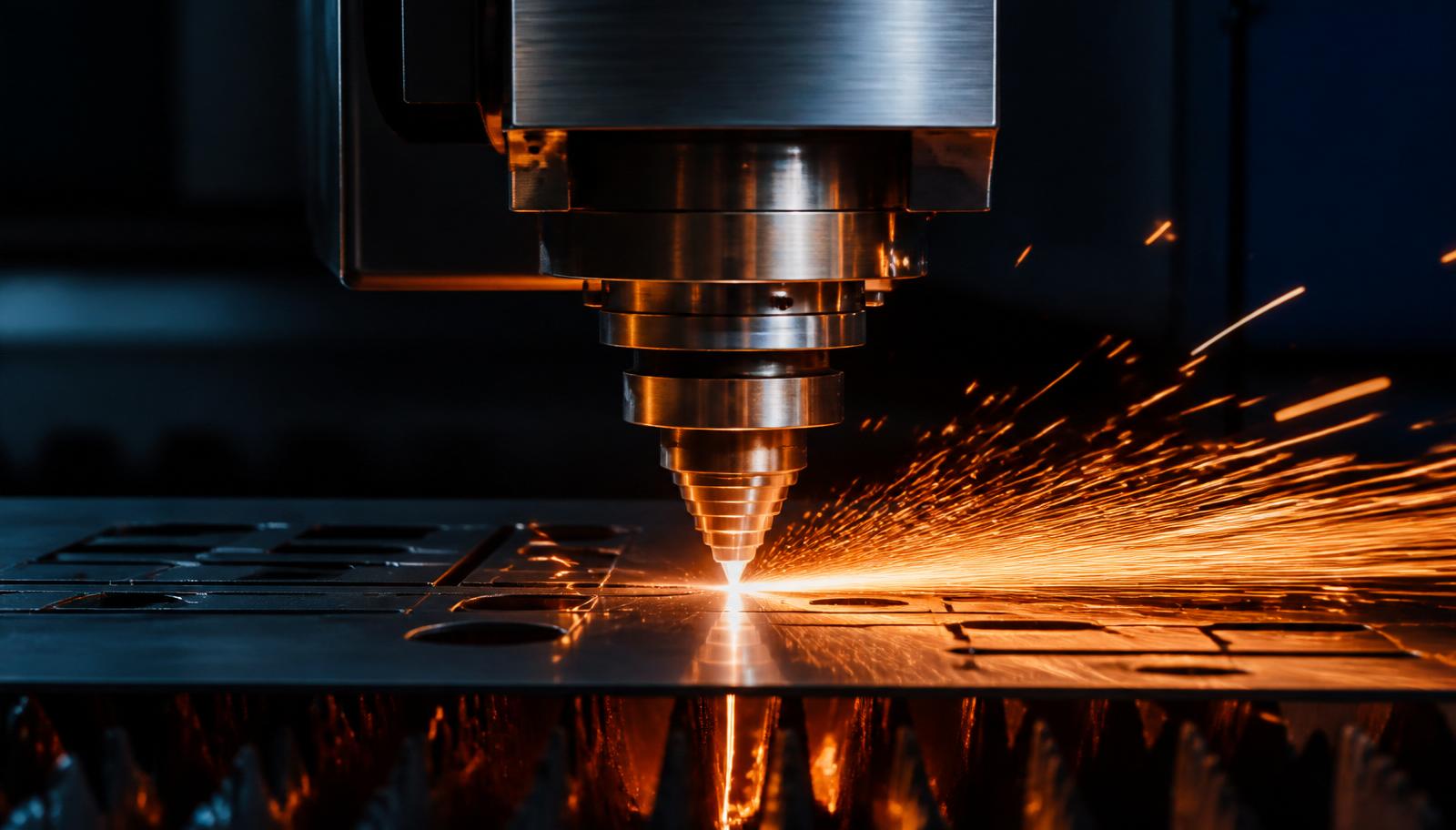
The fiber-vs-CO₂ argument used to be lively. Today it's mostly settled, but not entirely. There are still jobs where a CO₂ machine gives a cleaner result, and a good shop knows when to route work accordingly.
Where fiber wins
- Thin-gauge stainless and aluminium, fiber's short wavelength couples efficiently, giving faster cuts and brighter edges
- Reflective metals, copper, brass, titanium, fiber handles these safely with the right nozzle setup
- Energy cost, fiber sources are typically 3× more efficient than CO₂ per part
Where CO₂ still has a case
- Thick mild steel over 20 mm with a matte, non-oxide finish for painting
- Non-metal cutting (acrylic, wood, textile), fiber cannot
- Some specialised alloy stack-ups with unusual heat-input requirements
How PES routes jobs
For most production and prototype sheet-metal work we route to the 1500W fiber. For heavier plate we shift to the 3000W Delta CNC laser. Files come in, get nested, and are cut within hours. That single-day CAD-to-part loop is what wins us most of our RFQs.
#Fiber laser#CNC#Cutting